
PREVENTION OF ASBESTOS EXPOSURE: SAFETY TIPS AND
AWARENESS

Preventing asbestos exposure starts with awareness.You don’t have to face it alone. For years, our team has guided individuals and families with clear information, practical advice, and trusted safety tips, all in one place.



Check If You Qualify
It only takes a few seconds to see if you may have a valid case
UNDERSTANDING HOW ASBESTOS EXPOSURE
OCCURS
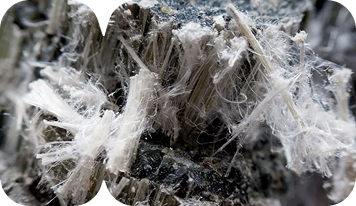
Asbestos fibers are microscopic and can become airborne when asbestos-containing materials are damaged or disturbed. Awareness of how exposure occurs is essential for reducing risk and protecting health.

Occupational Exposure
Many workers are at risk of asbestos exposure in certain industries. Proper knowledge can significantly reduce accidental contact.
CONSTRUCTION AND RENOVATION
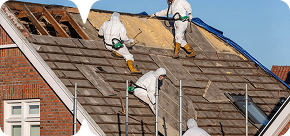
Cutting, sanding, or demolishing old building materials can release asbestos.
SHIPBUILDING AND MANUFACTURING
Industries used asbestos in boilers, ships, or machinery may have asbestos dust.
INDUSTRIAL MAINTENANCE
Maintenance workers may encounter asbestos when repairing equipment or insulation.


How Asbestos Fibers Cause Cancer
Understanding how asbestos fibers affect the body helps explain why long-term exposure is a serious health concern.
Fiber Inhalation and Deposition
- Tiny fibers are easily inhaled into lungs
- Fibers settle deep within lung tissue
- Body cannot easily remove embedded fibers
Chronic Inflammation
- Fibers irritate surrounding lung tissue
- Triggers ongoing inflammatory responses
- Inflammation damages nearby healthy cells
Cellular and DNA Damage
- Fibers interfere with normal cell function
- Can damage DNA during cell division
- Increases chances of abnormal cell growth
Scar Tissue Formation (Fibrosis)
- Long-term irritation leads to lung scarring
- Scar tissue restricts normal lung function
- Creates conditions linked to cancer development
Impaired Immune Response
- Fibers weaken local immune defenses
- Reduces ability to clear abnormal cells
- Allows damaged cells to survive longer
Long Latency Period
- Cancer develops slowly over decades
- Symptoms appear many years after exposure
- Delayed detection increases health impact

Environmental and Home Exposure
Even outside the workplace, asbestos may be present in buildings or public spaces.
OLDER HOMES
Older buildings may contain asbestos; renovations can release harmful fibers.
PUBLIC BUILDINGS
Schools, hospitals, and municipal buildings built decades ago may contain asbestos in insulation, pipes, or roofing materials.
NATURAL ENVIRONMENTAL SOURCE
Some areas may have naturally occurring asbestos in soil or rocks, posing minimal risk unless disturbed.
Symptoms of Asbestos Exposure
Asbestos-related health effects often develop over time, making awareness of potential signs important. While short-term symptoms are rare, long-term exposure can affect the lungs and other organs.
Persistent Cough
- May appear months or years after exposure
- Often includes phlegm or mild throat irritation
- Early checkups help monitor lung health
Shortness of Breath
- May occur during routine activities or exercise
- Can signal reduced lung function or inflammation
- Linked with asbestos-related lung conditions
Chest Tightness or Pain
- May feel like pressure or chest discomfort
- Symptoms can worsen gradually over time
- Persistent pain should be medically evaluated
Fatigue and Low Physical Stamina
- Ongoing tiredness may develop after exposure
- Daily tasks may feel unusually exhausting
- Early awareness aids long-term health
Weight Loss or Appetite Changes
- Unintended weight loss may occur gradually
- Appetite changes can signal health issues
- Tracking changes helps with early evaluation
Respiratory Infections
- Increased frequency of colds or bronchitis.
- Recurrent infections may signal weak lungs
- Regular checkups support respiratory health
Key Facts on Asbestos Exposure
Understanding asbestos exposure helps reduce health risks. Effects depend on fiber release and how long the exposure lasts.
Primary Risk
Asbestos is harmful primarily when its fibers are inhaled and remain in the lungs.
Long-Term Exposure
Health effects from asbestos exposure often take years or decades to appear.
PRACTICAL MEASURES TO PREVENT ASBESTOS
EXPOSURE

PRACTICAL MEASURES TO
PREVENT ASBESTOS

EXPOSURE
Preventing asbestos exposure involves recognizing potential sources, avoiding disturbance, and following safe handling practices to reduce the risk of airborne fibers.
1.7M+
People worldwide impacted by asbestos-related diseases annually
- Identify Potential Asbestos Sources
Asbestos may be found in older buildings within insulation, flooring, roofing, or pipes. Identifying these areas and consulting professionals when unsure can help reduce exposure.
- Avoid Disturbing Asbestos Materials
Materials containing asbestos are safe when left undisturbed. Drilling, cutting, or sanding can release fibers, so damaged areas should be avoided and assessed by professionals.
- Use Protective Measures in High-Risk Situations
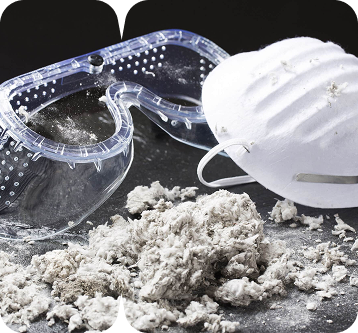
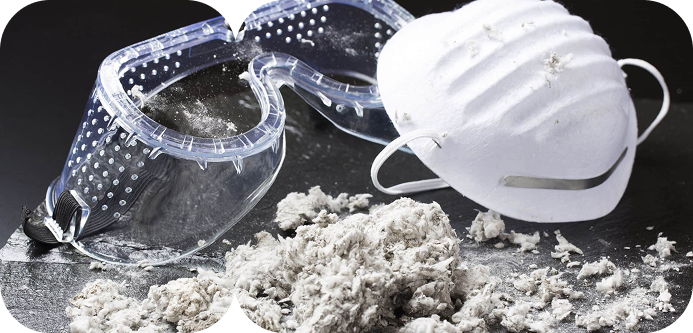
When asbestos handling is unavoidable, trained professionals should use protective equipment and contain the area to limit fiber spread and exposure.
- Maintain Clean and Safe Environments
Using damp cleaning or HEPA filter vacuums helps limit dust and airborne fibers. Avoid dry sweeping, maintain ventilation, and limit access to affected areas.
1.7M+
People worldwide impacted by asbestos-related diseases annually
- Identify Potential Asbestos
Asbestos may be found in older buildings within insulation, flooring, roofing, or pipes. Identifying these areas and consulting professionals when unsure can help reduce exposure.
- Avoid Disturbing Asbestos Materials
Materials containing asbestos are safe when left undisturbed. Drilling, cutting, or sanding can release fibers, so damaged areas should be avoided and assessed by professionals.
- Use Protective Measures in High-Risk Situations
When asbestos handling is unavoidable, trained professionals should use protective equipment and contain the area to limit fiber spread and exposure.
- Maintain Clean and Safe Environments
Using damp cleaning or HEPA filter vacuums helps limit dust and airborne fibers. Avoid dry sweeping, maintain ventilation, and limit access to affected areas.