
ASBESTOS EXPOSURE: LEGAL SUPPORT &
GUIDANCE

Understanding the legal landscape surrounding asbestos exposure can help individuals make informed decisions, recognize available protections, and know where to seek reliable information.




Start Your Free Case Review
Free. Fast. Confidential.
LEGAL FRAMEWORKS
RELATED TO ASBESOTS
Multiple laws and regulations govern how asbestos is managed, restricted, and monitored. These frameworks aim to reduce exposure risks and establish accountability standards.

Federal Asbestos Regulations
U.S. federal laws regulate asbestos use, handling, and disposal to protect public health and the environment.
ENVIRONMENTAL PROTECTION AGENCY (EPA)
Oversees asbestos regulations related to air quality, building materials, and environmental safety.
TOXIC SUBSTANCES CONTROL ACT (TSCA)
Authorizes the EPA to evaluate
and restrict asbestos-containing
products.
CLEAN AIR ACT PROVISION
Regulates asbestos emissions during demolition, renovation, and disposal activities.
Tips for Protecting Yourself from Asbestos Exposure
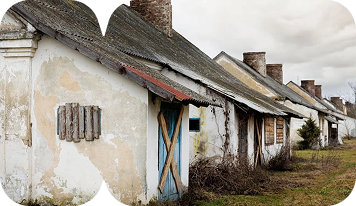
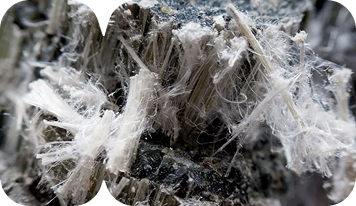
Asbestos exposure can still occur in older homes, buildings, and workplaces where asbestos-containing materials remain in place.
Identify Possible Asbestos Materials
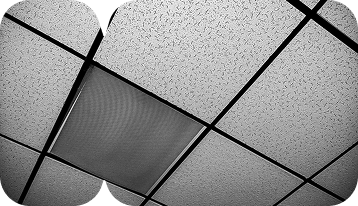
- Older insulation, ceiling tiles, and floor tiles may contain asbestos
- Roofing sheets and pipe coverings in older buildings are common sources
- Product labels or building records may indicate asbestos use
Avoid Disturbing Suspect Materials
- Do not drill, cut, or sand unknown materials
- Avoid breaking or damaging old insulation or tiles
- Leave intact materials undisturbed whenever possible
Follow Workplace Safety Guidelines
- Use protective equipment when required
- Follow employer safety procedures and training
- Report damaged asbestos materials to supervisors
Use Professional Inspection Services
- Hire licensed inspectors for older properties
- Avoid DIY asbestos testing or removal
- Follow official safety recommendations
Maintain Proper Ventilation
- Open windows during renovation or maintenance
- Use exhaust fans where dust may be present
- Avoid confined, poorly ventilated work areas
Stay Informed About Regulations and Guidelines
- Follow public health and workplace guidelines
- Monitor updates from trusted government sources
- Learn basic asbestos safety practices

Workplace Safety Standards
Occupational guidelines focus on reducing asbestos exposure in work environments.
OSHA EXPOSURE LIMITS
Establishes permissible exposure limits to protect workers in regulated industries.
EMPLOYER RESPONSIBILITIES
Requires safety training, protective equipment, and exposure monitoring where asbestos is present.
WORKER RIGHTS AWARENESS
Ensures employees are informed about asbestos hazards and safety procedures.
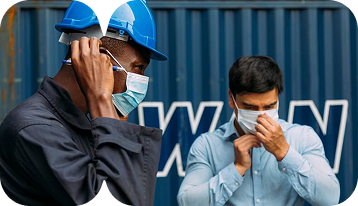

Understanding Legal Support After Asbestos Exposure
Legal support related to asbestos exposure typically focuses on awareness, documentation, and understanding individual rights rather than guaranteed outcomes.
Recognizing Exposure History
- Employment records help identify potential occupational exposure
- Residential history may indicate environmental exposure risks
- Product or material usage can provide additional context
Medical Documentation
- Medical records establish timelines related to diagnosis
- Physician reports help clarify exposure-related conditions
- Ongoing documentation supports long-term monitoring
Statutes of Limitations
- Time limits for legal claims vary by jurisdiction.
- Timeframes often begin at diagnosis, not exposure
- Early asbestos awareness helps prevent missed deadlines
Understanding Legal Terminology
- “Liability” refers to legal responsibility under the law
- “Negligence” involves failure to meet safety obligations
- “Compensation” is context-specific and not guaranteed
Educational Legal Consultations
- Informational consultations clarify available options
- Professionals can explain jurisdiction-specific rules
- No legal consultation implies guaranteed legal results
Record Management
- Employment and medical records should be stored securely
- Written exposure notes may support future inquiries
- Organized documentation improves clarity and understanding
Learn More, Stay Informed
Explore trusted resources to understand asbestos laws and make informed decisions.
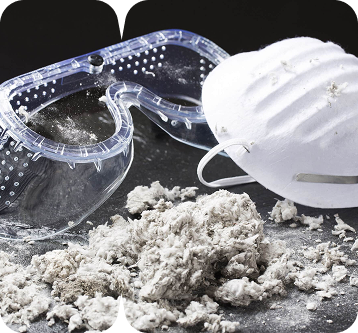
PRACTICAL MEASURES TO PREVENT ASBESTOS
EXPOSURE

WHERE TO FIND RELIABLE
INFORMATION AND

SUPPORT
Accessing trustworthy sources is essential for accurate understanding and awareness.
1.7M+
People worldwide impacted by asbestos-related diseases annually
- Identify Potential Asbestos Sources
Asbestos may be found in older buildings within insulation, flooring, roofing, or pipes. Identifying these areas and consulting professionals when unsure can help reduce exposure.
- Avoid Disturbing Asbestos Materials
Materials containing asbestos are safe when left undisturbed. Drilling, cutting, or sanding can release fibers, so damaged areas should be avoided and assessed by professionals.
- Use Protective Measures in High-Risk Situations
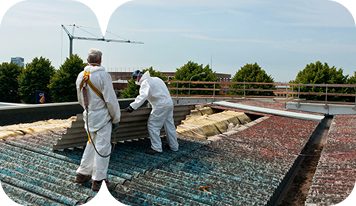
When asbestos handling is unavoidable, trained professionals should use protective equipment and contain the area to limit fiber spread and exposure.
- Maintain Clean and Safe Environments
Using damp cleaning or HEPA filter vacuums helps limit dust and airborne fibers. Avoid dry sweeping, maintain ventilation, and limit access to affected areas.
1.7M+
People worldwide impacted by asbestos-related diseases annually
- Environmental Protection Agency (EPA)
Provides official guidance on asbestos laws, restrictions, and environmental safety standards.
- Occupational Safety and Health Administration (OSHA)
Offers workplace-specific asbestos safety regulations and worker protection guidelines.
- Public Health & Research Organizations
Share educational materials on asbestos exposure risks, timelines, and long-term monitoring.
- Legal Education Resources
Explain general legal rights, processes, and terminology without offering case-specific advice.