
INSPECTION & REMOVAL AWARENESS: A COMPLETE ASBESTOS
INSPECTION & REMOVAL AWARENESS: A COMPLETE ASBESTOS
SAFETY GUIDE

Understanding asbestos inspection and removal is essential for protecting health and ensuring safe handling of building materials.



See If You Have a Valid Case
Quick and confidential case evaluation.
ASBESTOS INSPECTION & REMOVAL
AWARENESS
ASBESTOS INSPECTION &
REMOVAL AWARENESS
Awareness is the first step toward preventing asbestos exposure. Knowing how to inspect, handle, and remove asbestos safely can reduce risks and help maintain a safe environment.

Recognizing Asbestos Hazards
Asbestos can be hidden in building materials, and awareness helps prevent accidental exposure.
COMMON LOCATIONS
Asbestos can be found in ceilings, walls, flooring, pipes, and insulation in older buildings.
HIDDEN RISKS
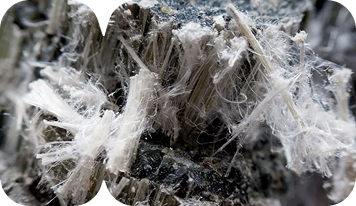
Even materials that look harmless may contain asbestos, which can release fibers if disturbed.
POTENTIAL EXPOSURE
Awareness helps prevent accidental disturbance during renovations or repairs.
How to Identify Asbestos & Inspection Basics
Identifying asbestos and understanding inspection basics are essential steps in preventing accidental exposure.
Check Building Age
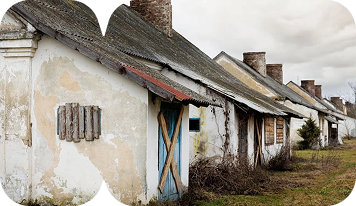
- Homes built before the 1990s likely contain asbestos.
- Older buildings often used asbestos insulation and tiles.
- Renovations may expose hidden asbestos materials.
Identify Common Materials
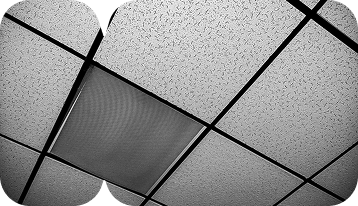
- Ceiling tiles and textured coatings may contain asbestos.
- Vinyl floor tiles and adhesives are common sources.
- Pipe insulation and boiler lagging include asbestos fibers.
Look for Warning Signs
- Crumbling or frayed materials may release fibers.
- Proper inspection reports support safety measures.
- Knowing when to hire experts prevents non-compliance.
Avoid Disturbing Materials
- Do not cut, drill, or sand suspected asbestos materials.
- Avoid sweeping or vacuuming asbestos dust.
- Leave materials untouched until tested professionally.
Use Professional Inspection
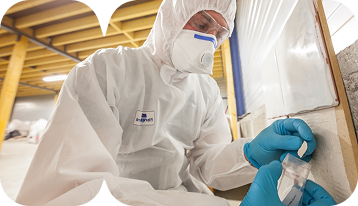
- Certified inspectors collect samples safely.
- Laboratory testing confirms asbestos presence.
- Inspection reports guide safe handling decisions.
Document and Monitor
- Record locations of suspected asbestos materials.
- Monitor condition regularly for damage or wear.
- Plan maintenance to avoid disturbing these areas.

Safety First Approach
Always use protective gear and proper safety measures when handling or inspecting asbestos.
PERSONAL PROTECTION
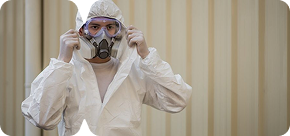
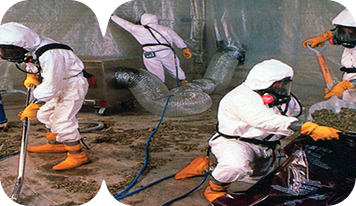
Use gloves, respirators, and coveralls when inspecting areas suspected to contain asbestos.
AVOID DIY REMOVAL
Small disturbances can release
fibers; trained professionals
reduce risks.
ENVIRONMENT CONSIDERATIONS
Proper containment and clean-up
practices prevent fibers from
spreading.
The Importance of Inspection & Removal Awareness
Being aware of asbestos inspection and removal is vital for protecting health and complying with safety standards. Here’s why it matters:
Protecting Health
- Understanding asbestos helps avoid inhaling harmful fibers.
- Early awareness reduces the risk of diseases like asbestosis and mesothelioma.
- Knowledge allows for safe planning before renovation or repair.
Understanding Building Materials
- Learn which materials commonly contain asbestos.
- Damaged asbestos-containing materials pose higher risk.
- Knowing how and what to avoid protects occupants.
Legal and Safety Compliance
- Awareness ensures safe handling according to regulations.
- Proper inspection reports support safety measures.
- Knowing when to hire experts prevents non-compliance.
Minimizing Environmental Impact
- Proper disposal reduces contamination of soil and air.
- Containment practices prevent accidental spread during removal.
- Sustainable renovation awareness encourages safe and responsible work.
Reducing Costs
- Safe handling of asbestos prevents costly remediation.
- Reduce risk of exposure-related illnesses to prevent health costs.
- Proper inspection avoids unnecessary removal or repairs.
Community Safety
- Proper handling reduces exposure in shared spaces.
- Educating others prevents accidental exposure.
- Compliance helps maintain public safety standards.

Asbestos Removal: When & How
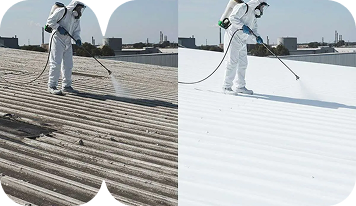
Asbestos removal is needed when materials are damaged or may be disturbed, and proper methods help reduce exposure risks.
PROFESSIONAL SERVICES RECOMMENDED
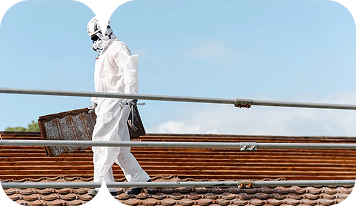
Trained specialists ensure safe removal.
CONTAINMENT & MONITORING
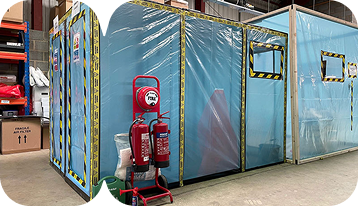
Areas are sealed, and air is monitored for fibers.
POST-REMOVAL CLEARANCE
Clearance inspections confirm that spaces are safe.
Who Should Be Trained?
Asbestos awareness training helps individuals recognize potential risks, follow safe practices, and prevent accidental exposure.
Construction Workers
- Understanding asbestos helps avoid inhaling harmful fibers.
- Early awareness reduces the risk of diseases like asbestosis and mesothelioma.
- Knowledge allows for safe planning before renovation or repair.
Maintenance Personnel
- Learn which materials commonly contain asbestos.
- Damaged asbestos-containing materials pose higher risk.
- Knowing how and what to avoid protects occupants.
Renovation Contractors
- Awareness ensures safe handling according to regulations.
- Proper inspection reports support safety measures.
- Knowing when to hire experts prevents non-compliance.
Supervisors and Managers
- Proper disposal reduces contamination of soil and air.
- Containment practices prevent accidental spread during removal.
- Sustainable renovation awareness encourages safe and responsible work.
Property Owners and Landlords
- Safe handling of asbestos prevents costly remediation.
- Reduce risk of exposure-related illnesses to prevent health costs.
- Proper inspection avoids unnecessary removal or repairs.
Facility Management Staff
- Proper handling reduces exposure in shared spaces.
- Educating others prevents accidental exposure.
- Compliance helps maintain public safety standards.
Build Awareness, Reduce Risk
Increase your understanding of asbestos risks to help protect yourself and those around you.
PRACTICAL MEASURES TO PREVENT ASBESTOS
EXPOSURE

PRECAUTION DURING INSPECTION & SMALL
REPAIRS

Even minor work near asbestos-containing materials requires careful planning to prevent exposure.
1.7M+
People worldwide impacted by asbestos-related diseases annually
- Identify Potential Asbestos Sources
Asbestos may be found in older buildings within insulation, flooring, roofing, or pipes. Identifying these areas and consulting professionals when unsure can help reduce exposure.
- Avoid Disturbing Asbestos Materials
Materials containing asbestos are safe when left undisturbed. Drilling, cutting, or sanding can release fibers, so damaged areas should be avoided and assessed by professionals.
- Use Protective Measures in High-Risk Situations
When asbestos handling is unavoidable, trained professionals should use protective equipment and contain the area to limit fiber spread and exposure.
- Maintain Clean and Safe Environments
Using damp cleaning or HEPA filter vacuums helps limit dust and airborne fibers. Avoid dry sweeping, maintain ventilation, and limit access to affected areas.
1.7M+
People worldwide impacted by asbestos-related diseases annually
- Minimize Disturbance
It is important to leave asbestos-containing materials intact and avoid actions that release fibers. Lightly dampening surfaces and working carefully helps reduce airborne dust and exposure.
- Protective Equipment
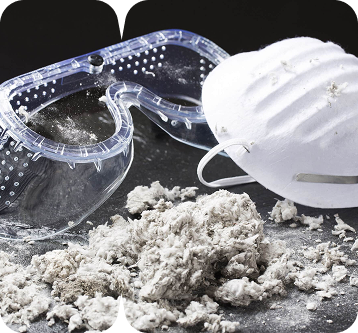
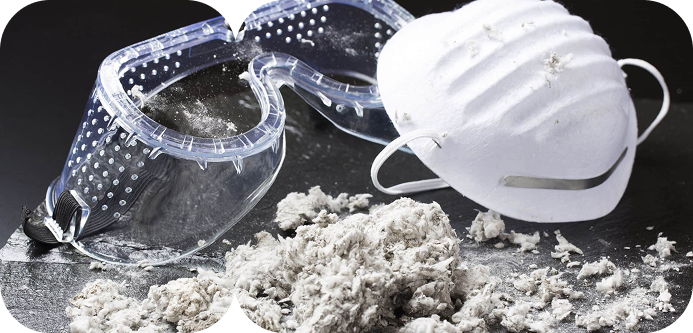
Using protective gear like respirators, gloves, and coveralls prevents asbestos fibers from contacting the lungs or skin. Shoe covers further stop fibers from spreading, keeping workers and surrounding areas safe.
- Controlled Work Area
Creating a controlled work area reduces the risk of accidental asbestos exposure. Seal the space, limit access, and ensure proper ventilation to prevent fibers from spreading.
- Clean-Up Procedures
After inspection or minor repairs, always clean thoroughly using damp cloths and mops to remove debris safely. Dispose of waste in approved asbestos bags and practice personal hygiene to prevent fibers from spreading.